
Cultivating Safe Spaces
Building Human Capacity. Together
A framework and practice for strengthening the human capacity required to work through complexity, difference and change together
Because better systems still depend on people.
From Human Capacity to Human Infrastructure
Cultivating Safe Spaces (CSS) begins with people. The practice helps us think clearly, stay connected, take responsibility and work through difficult things together.
Human Infrastructure Practice (HIP) brings this work into more complex environments where leadership, relationships, governance, institutions, infrastructure and long term implementation intersect.
LEARN MORE
Three Journeys. One Purpose
People enter Cultivating Safe Spaces for different reasons. Some want to learn. Some want to facilitate. Others need support for their team or organization. Different paths. One architecture.

Individual Journey
I WANT TO LEARN
Build your understanding of Cultivating Safe Spaces, strengthen your own practice and learn how to apply the framework in your life and work.

Facilitator Journey
I WANT TO FACILITATE
Become a Certified CSS Facilitator and continue developing your practice across increasing levels of complexity.

Partner Journey
WE WANT TO SOLVE SOMETHING TOGETHER
Work with experienced CSS practitioners on complex organizational challenges through Human Infrastructure Practice.
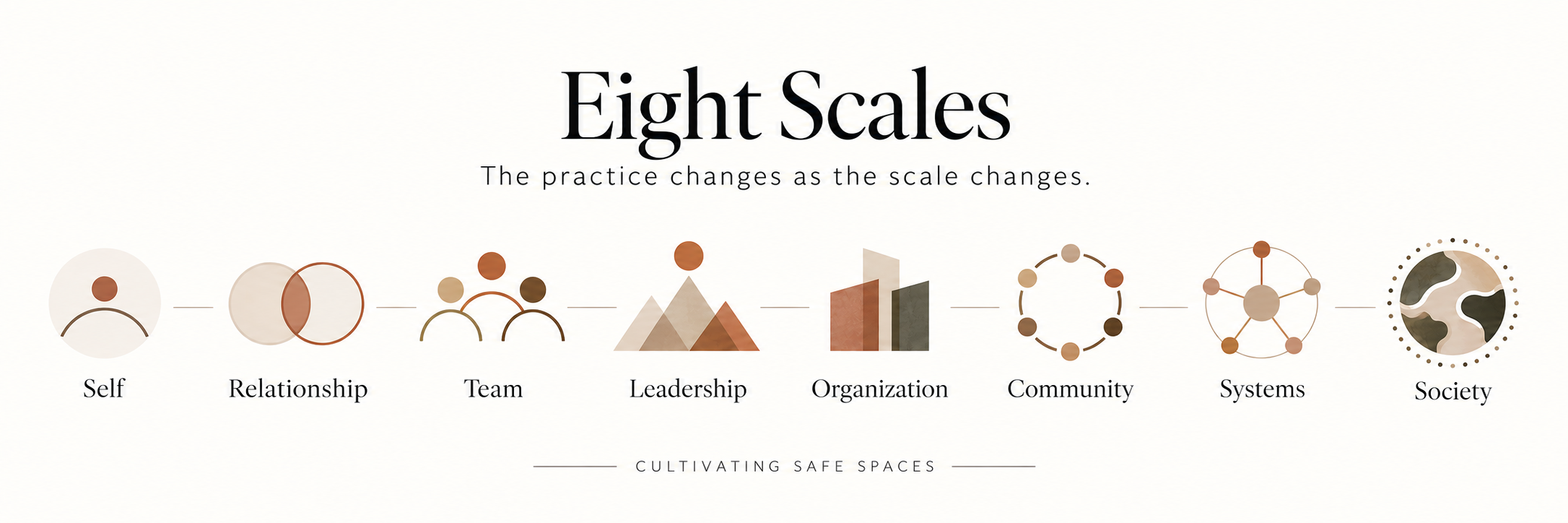
Eight Scales. One Framework.
A challenge may begin with one person, a relationship or a team. At another scale, it may involve leadership, governance, organizational conditions, community decision-making, institutional change or systems strategy.
Start with the challenge. Then understand the scale.
What is Cultivating Safe Spaces?
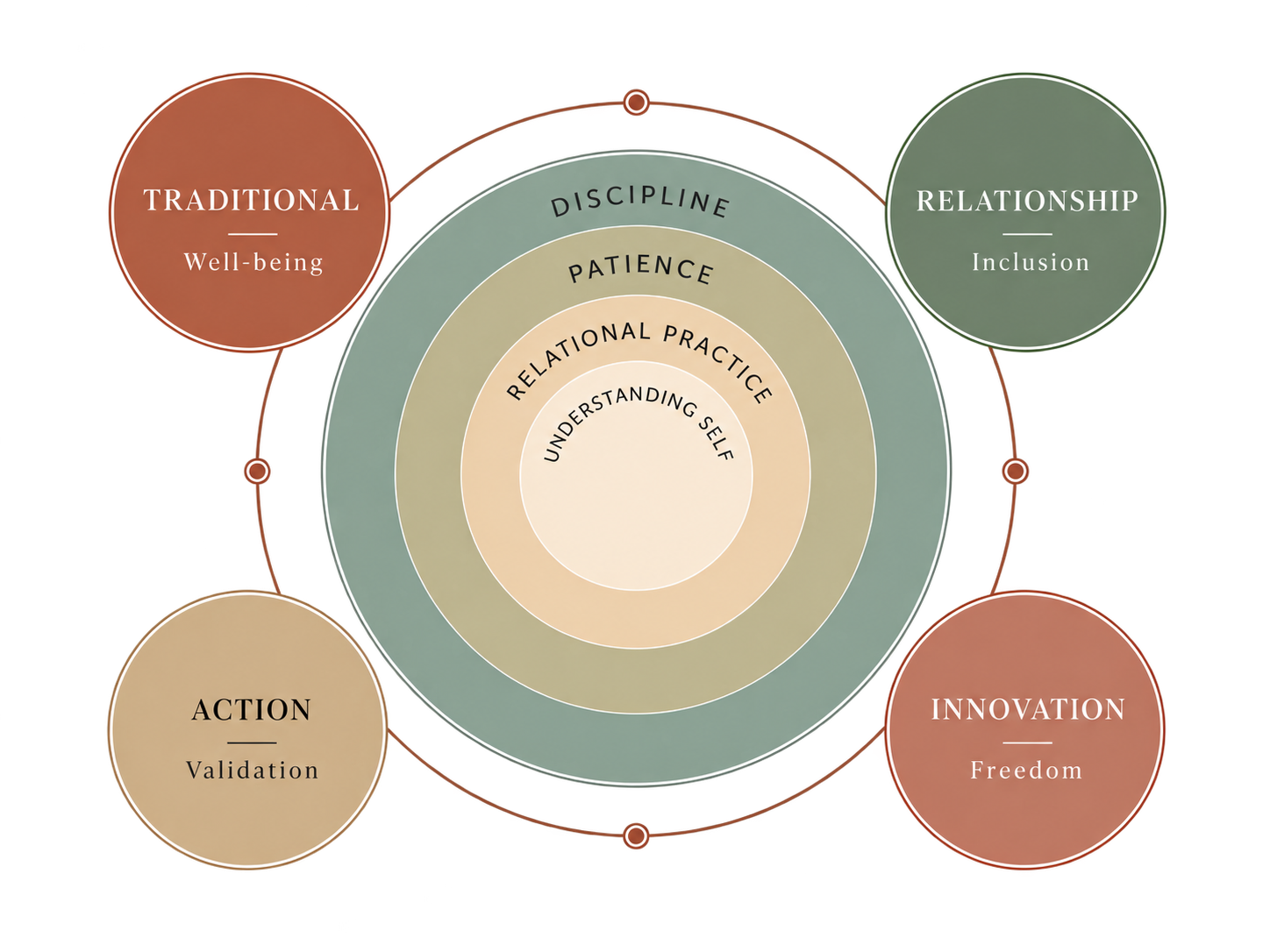
Cultivating Safe Spaces is not about avoiding conflict or making everyone comfortable.
It is about strengthening the conditions people need to do difficult work together.
CSS helps people develop the capacity to:
stay present under pressure
understand different perspectives
ask better questions
work through conflict and difference
clarify responsibility and accountability
make decisions together
remain connected through complexity
The framework can be used personally, relationally, within teams, across organizations, in communities and at the systems level.
The CSS Learning Journey
Keep Learning. Choose What You Need Next.
Explore workshops, scenario planning, practice labs and learning series offered by CSS Facilitators across the community. Learn from different practitioners, explore different topics and choose the learning that fits where you are.
UPCOMING LEARNING

Nov 25: CSS for Teams + Leadership
Scale 3+4
Wednesday, November 25
9:00 AM - 12:00 PM PT
$99 per person

Nov 26 + Dec 12: Virtual CSS Train the Trainer
Live Virtual
CSS Facilitator Training 9AM - 4PM
$2,200 per participant
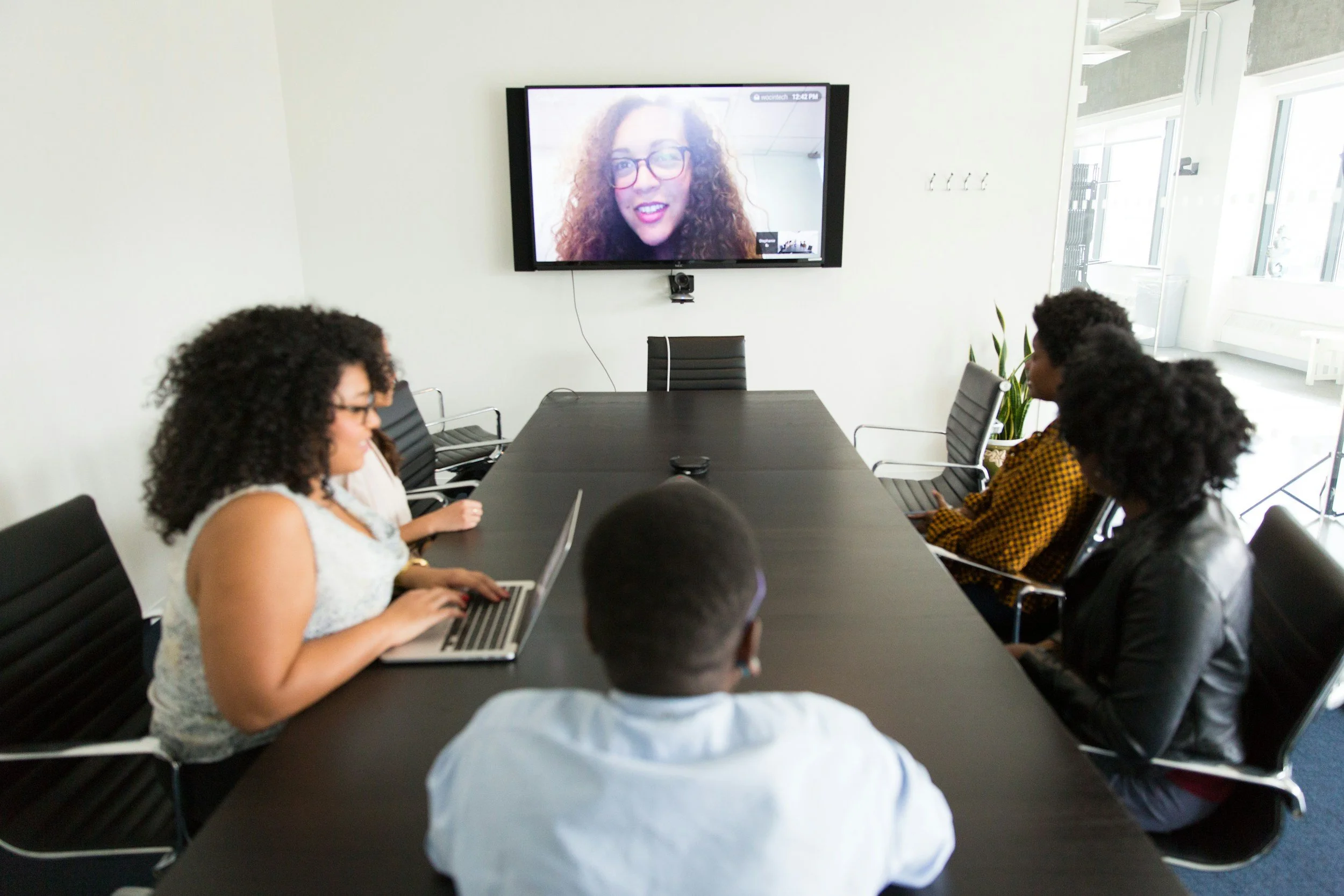
Nov 12: CSS for Self + Relationship
Scale 1+2
Thursday, November 12
9:00 AM - 12:00 PM PT
$99 per person
Find the Right CSS Facilitator
Tell Us What You’re Working On
CSS Facilitators bring different professional backgrounds, lived experience and areas of practice. We’ll help you find practitioners whose experience, level and scope of practice fit the work.
FEATURED FACILITATORS

OR
Become Part of the CSS Facilitator Ecosystem
Certification is lifetime. How you continue building your practice is up to you.
Beginning February 2027, facilitator membership will provide additional learning, visibility, resources and opportunities to build your practice.
Level 1
Certified CSS Facilitator
Foundational practice, directory and ongoing learning
Level 2
CSS Practitioner
Teams + Leadership, practice labs and professional resources
Level 3
Professional Steward
Organizations + Communities, advanced practice and collaboration
Level 4
CSS Leadership Circle
Senior stewardship, systems practice and development of the architecture.
CSS Co-op
YOU DON’T HAVE TO BUILD YOUR PRACTICE ALONE
The CSS Co-op connects facilitators, practitioners and organizations with trusted people who can help with the practical work around your practice and projects.
Booking + Travel
Scheduling, agreements, invoicing and travel arrangements
Event Planning
Registration, communication and workshop logistics
Bookkeeping + Support
Practical financial and administrative support.
Different People.
Different Practices.
Different Scales. One Architecture.
Cultivating Safe Spaces can begin with one person learning to understand themselves differently. It can also help a leadership team make a difficult decision, support an organization navigating change, or helping people from different systems work together on something none of them can solve alone.
The scale changes. The need for human capacity does not.